Order Solid Gear shoelaces online at Premiumwereld
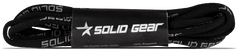
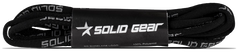
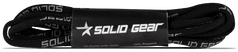
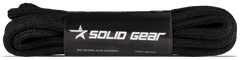
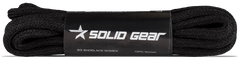
Looking to order Solid Gear shoelaces online from Premiumwereld? Choose replacement or extra laces that match your Solid Gear work shoes and safety shoes. The right laces secure your shoes snugly around the instep and heel without applying unnecessary pressure. View the range and order the version that matches your shoe model and intended use.
Before ordering, carefully check the length, thickness, and shape of the laces, and make sure they are compatible with the eyelets or lace hooks. The number of lacing points and your preferred lacing method also determine which version is suitable. If possible, compare the new lace with the original and consult the product specifications. This helps you avoid choosing a lace that cannot be tied securely or that hangs too long along the shoe. Order your Solid Gear shoelaces at Premiumwereld and choose the right option.

Can't find what you're looking for?
We're happy to help you find the right product.
What are Solid Gear shoelaces?
Need to replace the laces in your Solid Gear work shoes? Choose and order Solid Gear shoelaces that match the model and its existing closure system. These laces are intended as an accessory or replacement part and are threaded through eyelets, loops, or hooks to pull the shoe's upper snugly around your foot. They help provide a good fit, but are not protective equipment in themselves. Replacing the laces therefore does not change the safety class, toe protection, penetration resistance, or slip resistance of the safety shoe. Features may vary by version: options include round or flat, thin or thick, flexible or firmer laces. Finished ends generally make it easier to thread the laces through the lacing system. Carefully check the construction of your shoes before ordering. A thick lace may be difficult to pass through narrow eyelets, while a thin model may sit less securely in some hooks. Choose Solid Gear shoelaces that fit your shoe model correctly, and request a quote or place your order directly.
Choosing the right length and version for your work shoes
Avoid ordering Solid Gear shoelaces that do not fit properly. A lace that is too short hinders the even tightening and secure fastening of your safety shoes. A version that is too long can cause loose loops. Therefore, let the product specifications of your safety shoes be the deciding factor and do not automatically choose extra length to create more room.
The required size depends on factors such as the shoe height, the number of eyelet pairs, the space between the eyelets, and the way you want to tie the laces. Low models usually require less length than mid-high or high safety shoes. Do you have a suitable example? Remove the existing lace from the shoe and measure it completely from tip to tip. Keep in mind that a used lace may have become slightly longer due to wear.
The design also determines which model fits best. With flat laces, the pressure on the instep is distributed differently than with round laces, while the grip in eyelets and hooks can also vary. Compare these properties with your shoe, then order the correct Solid Gear shoelaces and choose a suitable length and design for your safety shoes.
Lacing firmly and evenly during work
A secure, even fit when lacing your shoes for work starts with the right Solid Gear shoelaces and a suitable work shoe. Do not pull the laces completely tight immediately; instead, work your way down from the ankle and distribute the pressure across each lacing zone. This allows the shoe to fit around the foot without one part pinching while another part remains too loose. Choose the tension based on your foot shape, the shoe model, and the tasks you are performing: for prolonged walking, a firm fit at the heel often provides more comfort, while too much pressure on the instep can cause tingling or an unpleasant sensation. Before you start, check that the lace knot is secure and the ends are not dragging on the floor. Do not leave long or loose laces unattended, as they can get caught on equipment. Tuck away protruding loops carefully, but do not place them in a way that creates new pressure points. Take a moment during work to check the lacing and adjust if necessary. Order suitable Solid Gear shoelaces when your current laces need replacing, because in addition to good lacing technique and even tension, the correct shoe size remains essential for a reliable closure.
Maintaining and replacing Solid Gear shoelaces in time
Maintaining and replacing Solid Gear shoelaces in good time helps keep your work shoes securely fastened. Order new laces as soon as you notice that a lace no longer stays tied, the tip no longer passes through the lacing system, or it looks likely to break during work. Request a quote or order replacement laces directly, so you do not have to wait until a lace actually snaps.
During every inspection, pay particular attention to the areas that repeatedly rub against the same lace hook or eyelet. Repeated tightening, bending, dirt, and friction can cause fraying, thin spots, deformation, and damaged tips. Clean laces by first removing loose dirt and then following the product's maintenance instructions. Avoid aggressive cleaning agents if it is not certain that the material can withstand them, and let damp laces dry completely before putting the shoes back on. When replacing laces, choose the same length and type as the original laces. If both laces are clearly worn, replace them together for the most even fastening on both sides.